
Decorative Wall Lights: Simple Fixtures That Transform Space Ambience
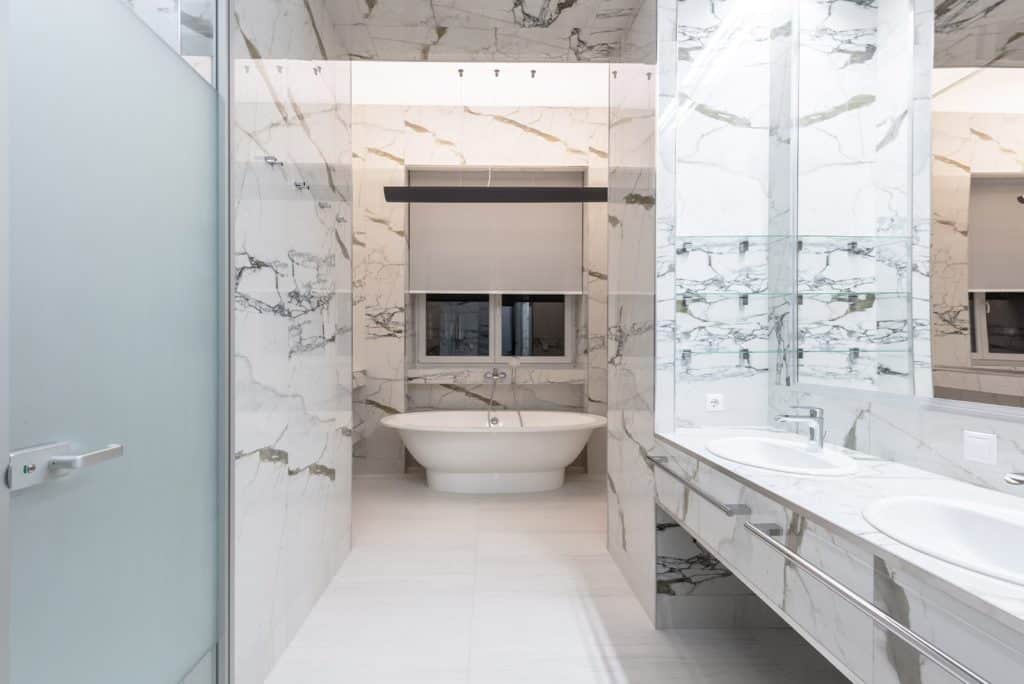
Decorative Wall Lights: Simple Fixtures That Transform Space Ambience
Product Trend · Oct 10, 2026 · 3 min read
Wall lights are the cheapest way to change how a room feels, and the easiest to get wrong. A ceiling fixture lights a floor; a wall fixture lights a wall, and a wall is most of what a guest actually looks at.
Why wall lights do more than ceiling lights
A ceiling light produces a horizontal pool of light and a face in shadow. A wall light places light on a vertical plane at eye height, which is where people read, talk and recognise each other. In hotel corridors and restaurant alcoves this is the difference between “adequate” and “designed”.
Up-down versus down-only
Up-down sconces throw light both ways: a wash up the wall and a pool below. They read as architectural and are the safer choice on a 2.7–3.2 m wall. Down-only fixtures are sharper and more efficient, but they need a taller wall or they look like they are cutting the wall in half at close range.
Mounting height and spacing
| Wall type | Mounting height | Typical spacing |
|---|---|---|
| Corridor, 2.7 m ceiling | 1.8–2.0 m to centre | 2.4–3.0 m apart |
| Restaurant alcove | 1.6–1.8 m | one per booth |
| Bathroom mirror | 1.7–1.9 m, two fixtures | 400–600 mm either side |
| Facade / entrance | 2.2–2.6 m | according to column rhythm |
The useful rule: the gap between two wall lights should be roughly twice the mounting height minus the ceiling height, so the pools just touch. Wider than that and the wall reads as a series of isolated dots.
When IP65 is not optional
Coastal projects, covered terraces, pool surrounds and any facade within a few kilometres of salt water need IP65 and a corrosion-resistant finish. Indoor-only IP20 fixtures in those positions fail at the seal within two seasons, and the cost is not the fixture — it is the access equipment to replace it.
Specifying a wall light for a project
Four parameters decide the result: beam angle, CCT, CRI and finish. 24° gives a defined pool; 60° gives a wash. 2700K suits residential and restaurant, 3000K suits hotel corridors, 4000K belongs outdoors or in service areas. CRI 90 matters wherever skin and food are in the frame.
Ask for the photometric file for the exact configuration before you commit — ours are shared before the deposit. See the wall light range for the current models, or read how custom finishes and tooling work if you need a specific look.
Products mentioned in this guide
- Cylinder Up-Down Sconce — up-down wall sconce for corridors, facades and stairwells
- Aurora Round Flush Mount — flush-mount LED ceiling light for hotel corridors and residential developments
Related reading
Frequently asked questions
How high should wall lights be mounted?
1.8–2.0 m to the centre in corridors, 1.6–1.8 m in restaurant alcoves, 2.2–2.6 m on facades. Measure to the centre of the fixture, not the top.
Do I need IP65 for a covered terrace?
Yes, if it is open to wind-driven rain or within a few kilometres of the coast. IP20 fixtures in those positions corrode at the seal within about two seasons.
Can the finish be matched to a RAL colour?
Yes, on custom runs. Send the RAL reference with the order; the finish moves the quotation point because it becomes a batch item.
Related articles

How to Compare Two Lighting Quotes Without Getting Burned
Two quotes for the same fixture can differ 40% and both be honest. Normalise five variables before you compare, and know what the cheaper…
Read article
MOQ for Custom Decorative Lighting: What Importers Should Ask
Why decorative lighting has no fixed MOQ, the five variables that move the quotation point, and the questions that get a usable answer from…
Read article
Why OEM Decorative Lighting Becomes Popular for Hotel Renovation Projects
Why OEM decorative lighting is winning hotel renovation briefs, and what importers should ask a factory before committing to a custom programme.
Read article